What is Cast-In-Place Concrete Anchor and How to Use It?
In the construction industry, the importance of robust anchoring systems cannot be overstated. One such system is the *Cast-In-Place Concrete Anchor*. This innovative solution is widely used to secure various structural elements in concrete. According to Dr. Emily Larson, a recognized expert in concrete engineering, "The reliability of anchors in concrete is pivotal for the safety of any structure."
*Cast-In-Place Concrete Anchors* provide strength and stability. They are designed to be embedded directly into the concrete as it is poured. This method ensures a strong bond, minimizing the risk of anchor failure. However, it is crucial to understand the installation process thoroughly. Poor execution can lead to inadequate anchoring, which can compromise structural integrity.
As professionals navigate the complexities of construction, they must reflect on their practices. Each project presents unique challenges. Learning from past mistakes is essential for growth in this field. Adopting best practices in using *Cast-In-Place Concrete Anchors* can lead to safer and more reliable structures.
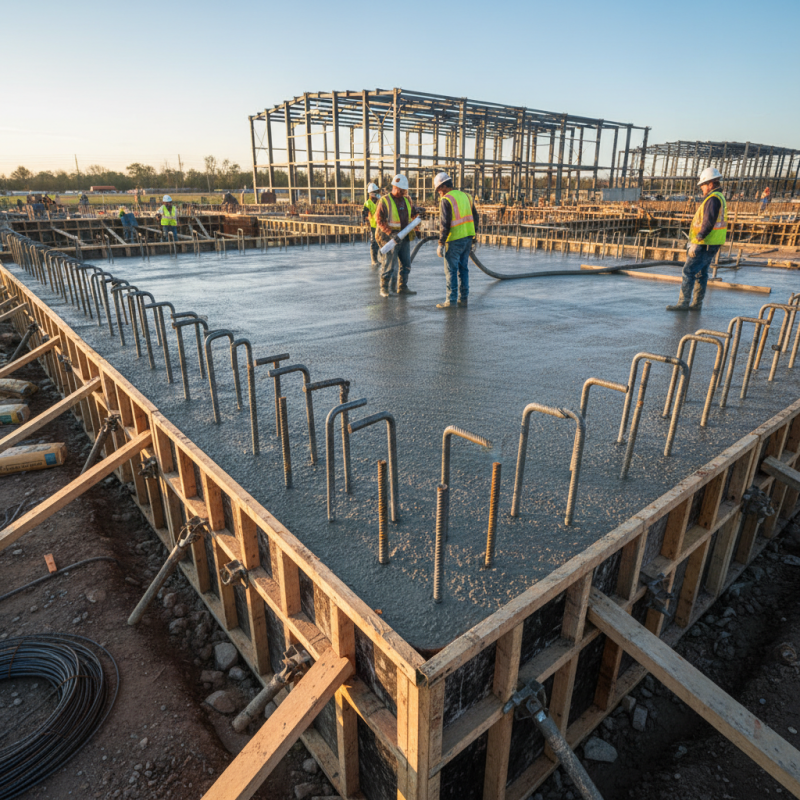
What is Cast-In-Place Concrete Anchor?
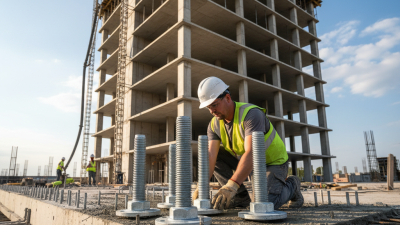
Cast-in-place concrete anchors are vital components in construction. They are embedded into wet concrete to create a secure point for fastening structures. These anchors provide exceptional load-bearing capabilities and stability. Using this method ensures that your fastening options are integrated into the structural foundation.
Understanding how to use cast-in-place concrete anchors is critical. Proper placement during the pouring of concrete is essential. You will need to consider the type of load the anchor will bear, whether it’s tensile or shear. This knowledge informs anchor placement and depth, impacting overall strength.
Placement is not always straightforward. Mistakes can occur. For example, misalignment during installation may lead to reduced load capacity. Over time, environmental factors might compromise anchor integrity. It’s important to reflect on these potential issues and plan accordingly. A well-executed anchor installation prevents future structural problems. Using cast-in-place concrete anchors requires attention to detail and careful consideration.
Types of Cast-In-Place Concrete Anchors
When it comes to cast-in-place concrete anchors, understanding the various types is crucial for effective installation. There are several types, each serving different purposes and applications.
Mechanical anchors, for instance, provide a reliable hold in concrete, making them suitable for heavy-duty applications. These types often feature expansion designs that securely grip the surrounding material.
Adhesive anchors are another common option. They use high-strength epoxy to bond the anchor to the concrete. This is particularly effective in situations where vibrations or dynamically loads are a concern. According to industry reports, adhesive anchors can achieve strength levels up to 40% greater than conventional mechanical anchors, depending on the application.
Another significant type is sleeved anchors, known for their adaptability. These anchors allow for easy adjustments to depth during installation. Despite their versatility, proper installation is vital.
Improperly placed sleeves can lead to compromised strength. This highlights the importance of following best practices for placement and alignment. Balancing types and ensuring correct installation will enhance anchor performance and longevity.
Applications of Cast-In-Place Concrete Anchors
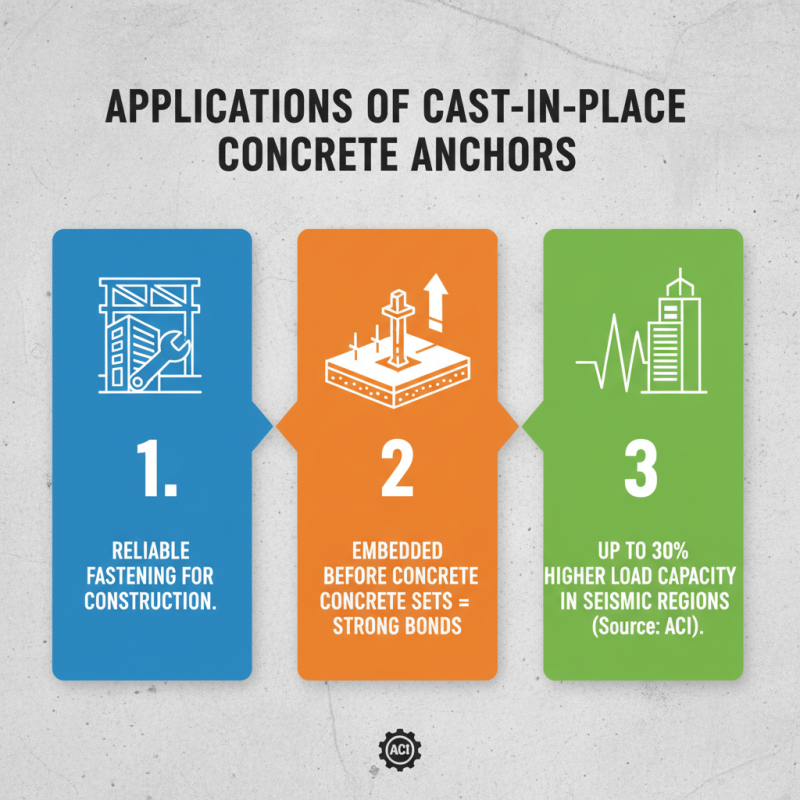
Cast-in-place concrete anchors are crucial in the construction industry. They provide reliable fastening solutions for various applications. These anchors are embedded within the concrete before it sets, ensuring strong bonds. According to a report by the American Concrete Institute, proper installation can increase load capacity by up to 30%. This makes them particularly valuable in seismic regions.
Common applications include securing structural steel, decking systems, and machinery. In industrial settings, cast-in-place anchors support heavy equipment. Their strength is vital in areas prone to vibrations. Construction firms often rely on them for anchoring safety barriers and guardrails. They are beneficial in both commercial and residential projects, offering flexibility in design.
However, challenges exist. Improper placement can lead to catastrophic failures. Weather conditions during pouring can impact adhesion. Projects must allow time for curing. Engineers should conduct regular inspections post-installation. These factors require ongoing attention and expertise to ensure reliability. In an evolving industry, continuous learning is necessary to address these issues effectively.
Step-by-Step Guide to Installing Cast-In-Place Concrete Anchors
Installing cast-in-place concrete anchors requires careful planning and execution. Begin by selecting the appropriate anchor type based on the load requirements and the concrete's compressive strength. Gather essential tools, including a drill, hammer, and a measuring tape. Ensure you have adequate personal protective equipment, like gloves and safety glasses, for safety.
Next, mark the exact location where the anchor will be installed. Drill a hole to the specified depth and diameter, ensuring it is clean and free from dust or debris. Use a vacuum or a brush to remove any loose particles. Insert the anchor into the hole, ensuring it is level and properly aligned. It’s crucial to take your time here; misalignment might affect the anchor's strength.
Finally, secure the anchor by following the manufacturer's installation instructions. This phase may involve tightening bolts or using a hammer to set the anchor into place. It’s important to check for any discrepancies during this step. Regularly reassess installation practices to ensure consistent results. Mistakes can occur, especially when dealing with various concrete types. Taking the time to double-check can prevent costly errors in the future.
Best Practices for Using Cast-In-Place Concrete Anchors
When using cast-in-place concrete anchors, several best practices can significantly enhance installation effectiveness. Proper planning is essential. Begin by determining the load capacity required for your specific application. Understand the environmental conditions as well, such as moisture-induced expansion. These factors directly impact anchor performance.
Next, prepare the concrete surface thoroughly before installation. Remove dust, oil, or any contaminants that could interfere with adhesion. If necessary, consider roughening the surface to achieve better mechanical interlocking. Precision placement is also critical. Ensure that anchors are aligned correctly to avoid misalignment after curing.
Additionally, monitor curing time closely. Improper curing can lead to anchor failure. It’s also beneficial to conduct load testing after installation, even though it may not always be feasible. Reflect on the installation process. Learn from any missteps to improve the application for future projects. This focus on detail can make a substantial difference in the longevity and reliability of cast-in-place concrete anchors.
Cast-In-Place Concrete Anchor - Load Capacity Comparison