Leave Your Message

2026 Top Guide to Cast-In-Place Concrete Anchor Solutions?

In the construction industry, finding reliable anchor solutions is essential. Cast-In-Place Concrete Anchor systems offer significant advantages. They provide strong, durable connections for various structures. The integration of these anchors within concrete elements enhances stability and load-bearing capacity.

Fabricating and installing Cast-In-Place Concrete Anchors require careful planning and execution. Engineers must consider factors such as the type of loads and environmental conditions. These decisions directly impact the performance and lifespan of the anchors. Miscalculations can lead to failure and costly repairs. Hence, expertise in this area is vital.

Understanding the best practices for installation and selection is crucial. Knowledge about materials and their interactions aids in optimal anchor performance. Professionals must stay updated with advancements in anchor technology. This guide delves into the top Cast-In-Place Concrete Anchor solutions for 2026. It aims to equip construction professionals with the insights needed to make informed decisions.
2026 Top Guide to Cast-In-Place Concrete Anchor Solutions?

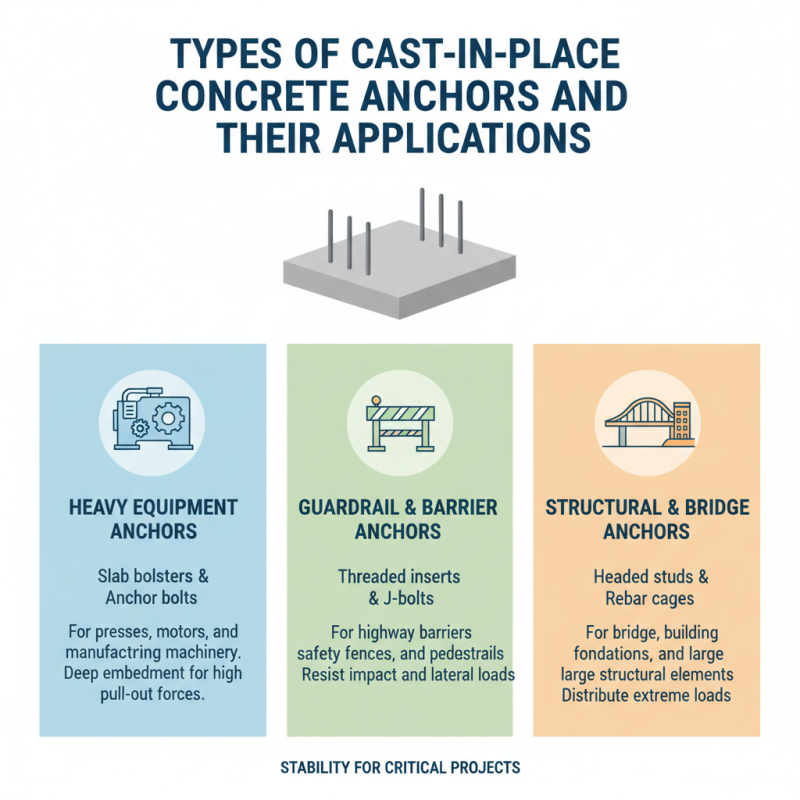
Types of Cast-In-Place Concrete Anchors and Their Applications

2026 Top Guide to Cast-In-Place Concrete Anchor Solutions?

Cast-in-place concrete anchors provide stability for various structures. They anchor heavy equipment, guardrails, and even bridges. Understanding the types of anchors is crucial for successful projects.

There are several types of cast-in-place anchors. For instance, headed anchors are commonly used in heavy-duty applications. They provide a solid hold and resist pull-out forces. Another type, sleeve anchors, excel in medium-strength applications. They work well for securing fixtures and equipment in concrete. Each type has specific use cases based on structural needs.

Choosing the right type of anchor can be tricky. Miscalculating the load requirements can lead to structural failure. It's essential to assess the environment, potential load, and material properties. Even experienced professionals can overlook details. Testing and reviewing the chosen anchors may reveal issues later. Make sure to reflect on the selection process. This avoids future complications related to structural integrity.

Key Factors to Consider When Selecting Concrete Anchor Solutions

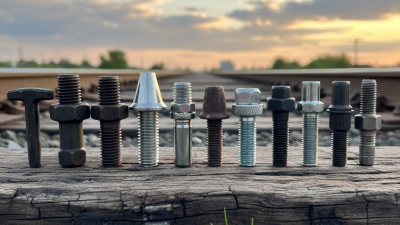
Choosing the right cast-in-place concrete anchor solutions requires careful consideration. Various factors impact the performance and reliability of these anchors. First, the environmental conditions where the anchors will be used are crucial. Humidity, temperature variations, and exposure to chemicals can affect anchor durability. Proper assessments of these elements ensure that the chosen anchors perform optimally.

Next, the load requirements can define the type of anchor needed. It’s essential to understand both the static and dynamic loads involved. Mistakes here can lead to catastrophic failures. Moreover, installation processes should be examined. Some anchors may require special equipment or techniques. If the installation is not done correctly, it can compromise the anchor’s effectiveness.

Cost considerations also play a significant role in the decision-making process. While it might be tempting to choose the cheapest option, investing in quality can prevent future expenses and safety issues. Over time, low-quality anchors may lead to structural failures. Therefore, balancing cost with reliability is crucial for long-term success in construction projects.

Step-by-Step Installation Process for Cast-In-Place Concrete Anchors

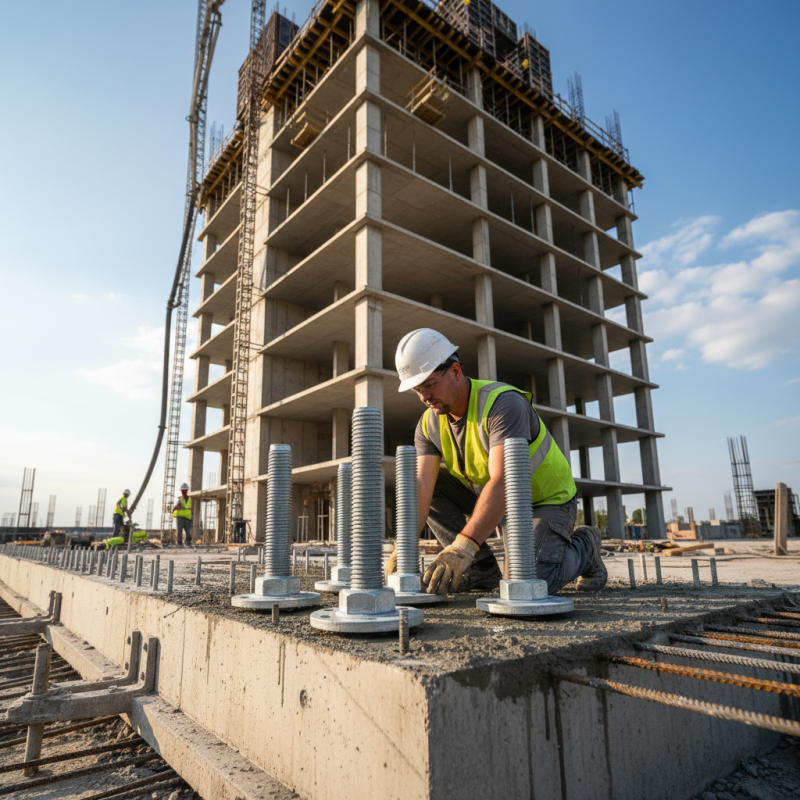
Installing cast-in-place concrete anchors requires careful planning and execution. Start by gathering all necessary materials, including anchors, tools, and safety gear. Ensuring a clean workspace is essential. A cluttered area can lead to mistakes and accidents. Make sure the formwork is properly aligned and secured before proceeding.

Next, you’ll need to prepare the concrete mix. The consistency matters; too dry or too wet can compromise the anchor's hold. Pour the concrete into the form, filling it adequately. Insert the anchors while the mix is still fresh, ensuring they’re placed correctly. Pay attention to the depth and orientation. Lifting the anchor only to readjust it afterward can weaken the anchoring.

As the concrete cures, monitor closely for any signs of cracking or subsidence. Too often, people overlook potential weaknesses that can arise. It’s crucial to revisit your installation after a few days to ensure integrity. Document any issues you encounter; reflection on these can inform better practices in future projects. Is the spacing consistent? Are the anchors securely set? These details matter greatly.

Best Practices for Ensuring Anchor Longevity and Performance

2026 Top Guide to Cast-In-Place Concrete Anchor Solutions?

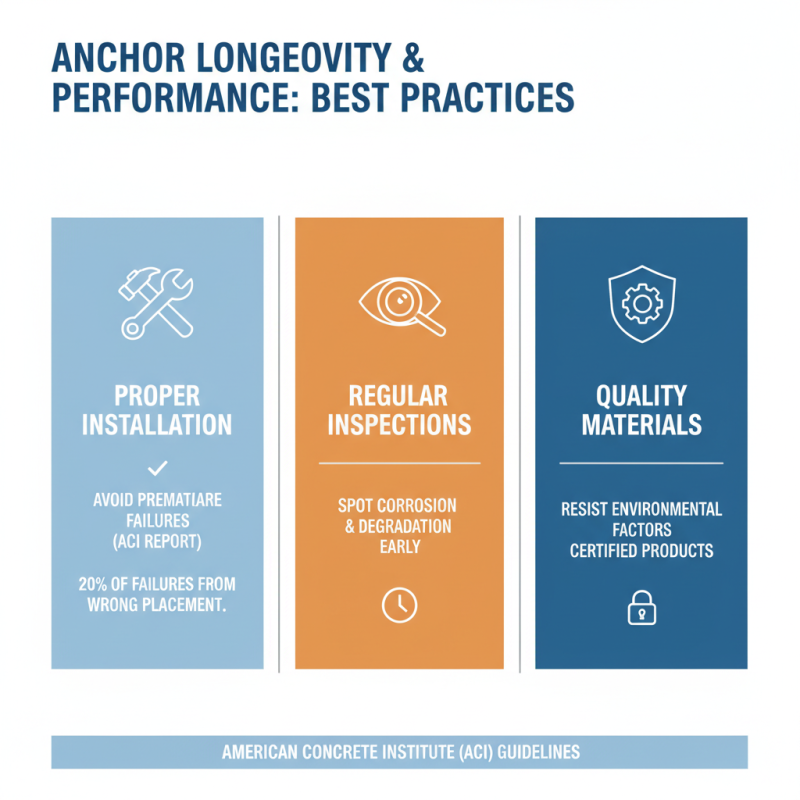
Ensuring the longevity and performance of cast-in-place concrete anchors requires careful attention to best practices. The American Concrete Institute reports that improper installation can lead to premature failures. Regular inspections are vital, revealing early signs of corrosion or degradation. An estimated 20% of anchor failures are linked to incorrect placement.

The material choice is crucial in extending anchor life. Utilizing stainless steel or high-strength polymers can significantly enhance resistance to environmental factors. In harsh environments, coatings can provide additional layers of protection. The National Association of Home Builders states that proper anchoring techniques can improve overall durability by up to 30%.

Interestingly, industry surveys indicate that many construction professionals overlook regular maintenance schedules. About 40% reported neglecting routine checks. This oversight can result in significant long-term repercussions. Integrating maintenance into project timelines is essential for sustained performance. Regular monitoring and proactive measures are necessary to mitigate risks in anchor performance.

Common Challenges and Solutions in Cast-In-Place Concrete Anchor Systems

Cast-in-place concrete anchor systems face specific challenges that can impact their performance and reliability. One of the most common issues is improper installation. According to the Concrete Foundations Association, nearly 30% of anchor failures can be traced back to inadequate installation practices. Ensuring that anchors are placed at the correct depth and orientation is crucial for maintaining structural integrity. In field studies, misalignments of as little as 5 degrees can lead to significant reductions in load-carrying capacity.

Another challenge is the variability of concrete quality. Factors such as curing time, mix design, and moisture content can all affect anchor performance. The American Concrete Institute suggests that proper mix design can improve adherence and overall strength. However, many projects overlook these details. This oversight can lead to unexpected failures, particularly in demanding environments. In some cases, a concrete strength that falls below the specified parameters has resulted in up to 40% lower performance of the anchors.

Understanding these challenges is essential for engineers and contractors. Regular training and adherence to best practices can mitigate many issues. Reviewing structural loads and environmental conditions ensures that cast-in-place anchors perform as intended. However, continuous feedback from installation sites highlights areas for improvement. Engaging in this reflective practice can lead to more reliable and effective anchor systems.

2026 Top Guide to Cast-In-Place Concrete Anchor Solutions

Challenge Description Possible Solutions Best Practices
Installation Misalignment Anchors may be placed inaccurately during installation. Use precise templates and laser alignment tools. Conduct pre-installation training and set clear guidelines.
Corrosion Exposure to moisture and chemicals can lead to anchor deterioration. Select corrosion-resistant materials and coatings. Regular inspection and maintenance to ensure longevity.
Weight Capacity Limitations Anchors may not support required loads, risking structural integrity. Perform thorough load analysis before installation. Ensure anchors meet or exceed weight specifications.
Poor Concrete Bonding Inadequate bonding between the anchor and concrete can lead to failure. Use chemical adhesives and ensure proper curing time. Conduct tests to confirm bonding strength before application.
Environmental Factors Weather conditions can affect curing and anchor performance. Monitor weather forecasts and plan installation accordingly. Use weather-resistant products and protective covers.