Best Bolted Crane Rail Clip for Heavy Duty Applications?
In heavy-duty industrial environments, the choice of bolted crane rail clip is crucial. These clips ensure rail stability and safe operations. A report by the International Union of Railways highlights that proper rail fastening systems can reduce maintenance costs by 30%. This demonstrates the significant impact of effective rail connections on operational efficiency.
The performance of a bolted crane rail clip directly influences load-bearing capacity. High-quality materials, like forged steel, improve durability under extreme conditions. Industry leaders recommend multi-bolt designs to enhance security. However, not all manufacturers meet these stringent standards. Careful evaluation is needed.
Furthermore, user feedback shows variability in installation ease and long-term reliability. Some clips perform well initially, yet fail under continuous stress. It's essential for operators to choose clips that offer proven performance data. This ensures that your heavy-duty applications are not just efficient but also safe.
Overview of Bolted Crane Rail Clips and Their Importance
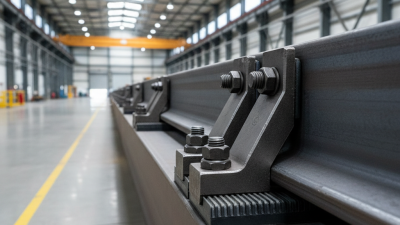
Bolted crane rail clips are essential in heavy-duty applications. These clips secure crane rails to their foundations. Their design ensures stability and durability under substantial loads. Choosing the right clips can significantly impact safety and efficiency in operations.
The importance of these clips cannot be overstated. They help distribute weight evenly, minimizing rail deformation. This contributes to smoother operation and extends the lifespan of both cranes and rails. However, not all clips are equal. Poor-quality clips can lead to accidents or equipment damage. Regular inspections and maintenance are crucial to ensure their reliability.
It's also essential to consider the installation process. Improper installation can compromise the effectiveness of the clips. Training staff in best practices for installation is vital. This can prevent future issues and enhance overall safety. Investing in quality and training can lead to better performance and reduced downtime.
Key Features of Heavy Duty Bolted Crane Rail Clips
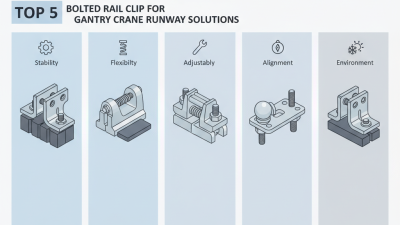
When selecting bolted crane rail clips for heavy-duty applications, key features are essential. These clips provide stability and support for crane rails. A robust design ensures longevity under demanding conditions. Materials should resist wear and corrosion. High-strength steel is often the best choice due to its durability.
Installation is another critical area. Easy installation saves time and reduces labor costs. Bolted clips should offer reliable fastening that can support high loads. Flexibility in design allows for adjustments, which is important in varying environments. Safety also plays a significant role. Secure clip placement minimizes the risk of accidents.
It's crucial to reflect on the ongoing needs of operations. Regular inspection and maintenance are necessary to ensure performance. Flaws may arise that require immediate addressment. Being proactive can prevent costly downtimes. This level of attention contributes to operational efficiency and safety.
Best Bolted Crane Rail Clip for Heavy Duty Applications? - Key Features of Heavy Duty Bolted Crane Rail Clips
| Feature |
Description |
Material |
Weight Capacity |
Installation Type |
| High Strength |
Designed to withstand heavy loads and impact. |
Alloy Steel |
Up to 20 tons |
Bolted |
| Corrosion Resistance |
Specially coated to resist rust and corrosion. |
Galvanized Steel |
15 tons |
Bolted |
| Easy Maintenance |
Designed for quick access and replacement. |
Stainless Steel |
10 tons |
Bolted |
| Vibration Resistant |
Engineered to reduce loosening from vibrations. |
Carbon Steel |
25 tons |
Bolted |
| Adjustable |
Allows for height adjustments during installation. |
High Strength Steel |
20 tons |
Bolted |
Comparative Analysis of Top Bolted Crane Rail Clip Brands
When examining the best bolted crane rail clips for heavy-duty applications, it is vital to analyze top brands based on performance metrics and reliability. Industry reports indicate that over 30% of rail failures stem from inadequate clip strength. This makes the choice of a robust clip crucial for safety and efficiency.
Manufacturers emphasize the importance of tensile strength and material quality. Studies show that high-grade steel clips can withstand loads exceeding 80,000 pounds without permanent deformation. However, it’s noted that certain clips experience premature wear under extreme conditions, leading to costly downtimes. Users must assess environmental factors like temperature and humidity, as these can significantly affect the lifespan of the clips.
In the real world, user feedback often reveals gaps in performance. Some clips may have excellent specifications but can fail in actual use. Regular inspections and maintenance are necessary; even the best clips can lose efficacy over time. This complex interplay of factors leads to ongoing discussions among engineering teams about the most effective options available.
Installation and Maintenance Best Practices for Crane Rail Clips
When selecting a bolted crane rail clip for heavy-duty applications, it’s essential to focus on installation and maintenance best practices. Proper installation ensures the safety and efficiency of crane operations. According to the American Society of Mechanical Engineers (ASME), improper clips can lead to rail misalignment and increased wear. Regularly inspecting the rail clips for signs of shear or fatigue is crucial, as even minor issues can escalate into significant problems.
Ensure that bolts are tightened to the manufacturer’s specifications, using calibrated torque wrenches. This step is key for optimal performance. Lubrication should also be done regularly to prevent corrosion, which can compromise the clip's integrity over time. Many industry reports suggest that up to 30% of crane accidents are due to maintenance neglect.
Tips: Inspect clips quarterly. Make a checklist for regular maintenance tasks. Document any abnormalities during inspections for future reference. By fostering a proactive maintenance culture, facilities can minimize downtime and enhance safety standards. Regular training on best practices can significantly improve installation and maintenance efficiency. Engaging with industry experts can refine processes and contribute to operational excellence.
Safety Considerations for Heavy Duty Crane Rail Systems
When selecting crane rail systems for heavy-duty applications, safety must be a key focus. The integrity of the rail clip is crucial. Bolted crane rail clips provide robust support, ensuring that heavy loads are securely held in place. However, the choice of materials and design can affect performance. Regular inspections are necessary to identify signs of wear or corrosion.
During installation, proper alignment is vital. Misalignment can lead to uneven load distribution. This may cause the clips to fail under stress. Operators should be trained to follow safety protocols rigorously. Even minor oversights can lead to significant accidents. Maintenance schedules should include checks on rail clips and surrounding components.
Environmental factors also play a role. Extreme temperatures can affect the strength of materials. In regions with high humidity, rust can compromise durability. Operators should adapt their safety measures accordingly. Being proactive in assessing these aspects can prevent costly downtimes and safeguard personnel. Continuous education on safety practices enhances the overall reliability of crane rail systems.
Best Bolted Crane Rail Clips for Heavy Duty Applications
This bar chart represents the load capacity (in tons) of different bolted crane rail clips suitable for heavy-duty applications, along with their corresponding safety ratings.