How to Choose the Right Bolted Rail Clamp for Overhead Crane?
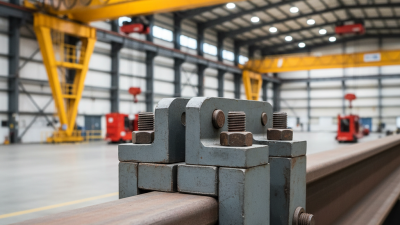
Choosing the right bolted rail clamp for overhead travelling cranes is crucial for ensuring safety and efficiency in operations. Mark Johnson, a leading expert in crane technology, emphasizes, "A proper clamp ensures stability and maximizes performance.” The importance of selecting the correct bolted rail clamp cannot be overstated.
The bolted rail clamp for overhead travelling cranes serves both functional and safety purposes. These clamps secure the rails firmly, allowing cranes to navigate smoothly without risk of derailment. Consider factors like load capacity, material quality, and environmental conditions when making your selection. Each choice can significantly impact performance.
However, even with expert advice, mistakes can happen. Some users may overlook the specific requirements for their cranes, leading to potential setbacks. Taking time to research and test various options can prevent future complications. The stakes are high in crane operations, making the right choice essential for both safety and productivity.
Understanding the Functionality of Bolted Rail Clamps in Overhead Cranes
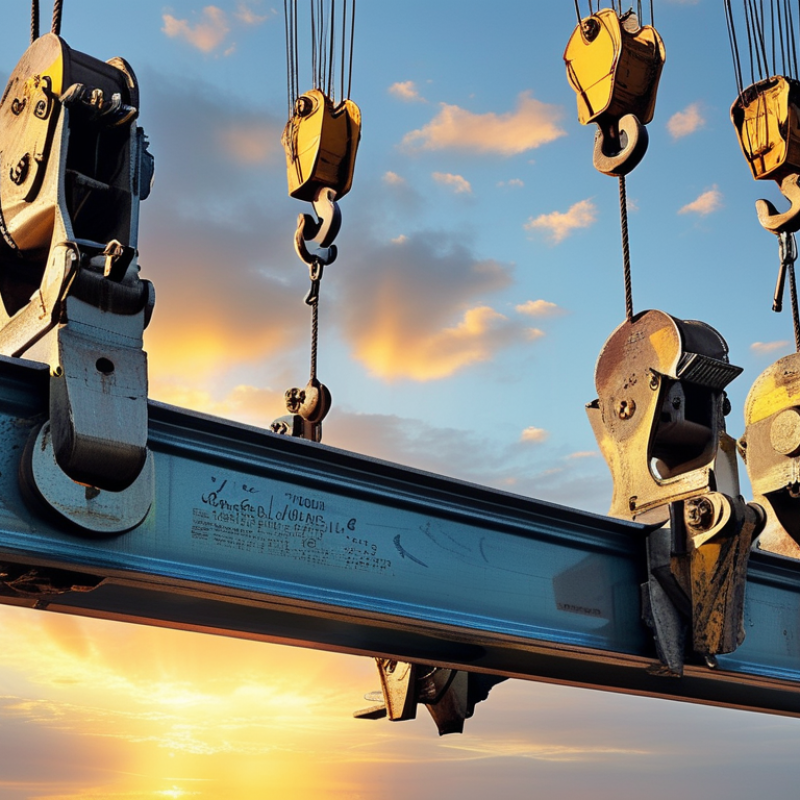
Bolted rail clamps play a crucial role in the safety and efficiency of overhead cranes. Understanding their functionality is essential for proper selection and usage. These clamps secure the rails to the foundation, ensuring stability during operation. They distribute the load evenly, minimizing stress on the rail system. Over time, rail wear can occur, making it vital to inspect the clamps regularly.
Installation quality affects the overall performance of these clamps. Inadequately tightened bolts can lead to joint failure. The use of appropriate materials is also key; using substandard products can compromise safety. Choosing clamps that fit the specific rail size and crane design requires careful consideration. It's not always straightforward, so consulting experts is often necessary.
Installation may also present challenges. Environmental factors, like temperature and humidity, can affect the clamp's effectiveness. Proper maintenance routines help mitigate these issues. Regular checks ensure that any wear and tear are addressed promptly. Without a reliable maintenance plan, unforeseen problems can arise, risking both safety and functionality.
How to Choose the Right Bolted Rail Clamp for Overhead Crane?
| Clamp Type |
Material |
Load Capacity (tons) |
Bolt Size (mm) |
Recommended Rail Size (mm) |
| Standard Bolted Rail Clamp |
Steel |
5 |
16 |
43-48 |
| Heavy Duty Bolted Rail Clamp |
High Strength Steel |
10 |
20 |
50-55 |
| Lightweight Bolted Rail Clamp |
Aluminum Alloy |
2 |
12 |
30-35 |
| Corrosion Resistant Rail Clamp |
Stainless Steel |
7 |
18 |
45-50 |
Key Factors to Consider When Selecting Bolted Rail Clamps
Choosing the right bolted rail clamp for overhead cranes is crucial for safety and efficiency. When selecting these clamps, consider the load-bearing capacity. It's essential to match the clamp's specifications with the crane's intended use. Failure to do so can lead to structural issues or accidents.
Material selection is another key factor. Different environments may require specific materials to resist corrosion or wear. Steel clamps offer strength but might not withstand harsh conditions like saltwater. In contrast, stainless steel or coated options may provide better longevity in challenging environments. Think about the long-term implications of your material choice.
Installation is critical. Proper alignment and torque specification during installation can significantly impact clamp performance. Seek guidance if unsure about installation best practices. Clamps that aren’t correctly secured can loosen over time, creating hazards. Regular maintenance checks should also be part of your routine to ensure ongoing safety and reliability.
Choosing the Right Bolted Rail Clamp for Overhead Crane
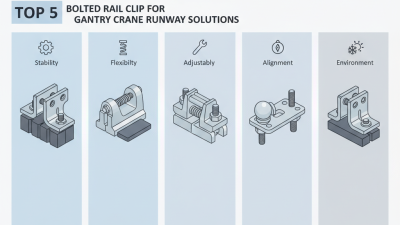
This chart illustrates the key factors to consider when selecting bolted rail clamps for overhead cranes, including strength, material, corrosion resistance, and installation ease.
Material Types and Their Impact on Bolt Rail Clamp Performance
Choosing the right bolted rail clamp for overhead cranes requires an understanding of material types. The material influences strength, durability, and overall performance. Steel, for instance, is robust and resistant to wear. But some steel grades can be prone to corrosion.
Aluminum, while lighter, presents unique challenges. It may lack the strength needed for heavy loads. Its lightweight nature can also lead to flexibility, which might not be ideal for all applications. In some cases, composite materials are an option—offering corrosion resistance and reduced weight. However, they may not match the strength of traditional metals.
Recognizing these trade-offs is vital. Users must consider load requirements and environmental conditions. A rail clamp that works well in one setting may fail in another. It's essential to evaluate your specific needs carefully. Selecting a material without thorough analysis can lead to safety hazards and costly repairs. Understanding the impact of material types ensures long-lasting performance and reliability in overhead crane applications.
Safety Standards and Regulations for Bolted Rail Clamps
When selecting a bolted rail clamp for overhead cranes, safety is paramount. Industry standards, such as those outlined by the American National Standards Institute (ANSI), emphasize the need for compliance in construction and usage. According to a report by the Crane Manufacturers Association of America, poorly installed rail clamps account for 40% of crane-related accidents. This highlights the critical importance of adhering to safety regulations.
Ensuring that the clamp meets national safety standards can prevent catastrophic failures. For example, clamps should pass rigorous testing according to the guidelines set forth in OSHA regulations. In a study conducted by the National Safety Council, proper installation techniques were linked to a 30% reduction in workplace incidents. Proper torque specifications and material quality also play crucial roles in overall safety.
Many companies overlook the need for periodic inspections. Regular assessments can identify wear and tear that may compromise safety. A survey from the Construction Safety Research Institute indicated that 25% of crane failures are attributed to insufficient maintenance. This reflects a culture where safety standards are sometimes barely met or neglected. Therefore, understanding and implementing safety regulations is a complex but essential aspect of ensuring the longevity and reliability of bolted rail clamps in overhead crane systems.
Maintenance Tips for Ensuring Longevity of Overhead Crane Rail Clamps
Maintaining the longevity of overhead crane rail clamps is essential for operational safety. Regular inspections can help identify wear and deformation. Check for rust and loose bolts, which can compromise clamp stability. A well-maintained rail clamp prolongs the entire crane system's lifespan.
To keep rail clamps in optimal condition, consider environmental factors. Exposure to moisture and corrosive materials can accelerate deterioration. Applying protective coatings can minimize rust. Additionally, ensure that the clamps are properly tightened according to specifications. Over-tightening may lead to cracks, while under-tightening can cause misalignment.
Review maintenance records frequently. Documentation helps track the performance and replacement of rail clamps. Training staff on proper usage can prevent mishaps. Even experienced operators can overlook details. Regular feedback sessions can reveal overlooked issues, fostering a culture of continuous improvement.