Top 10 Cast-In Fixings Benefits for Global Buyers
In the construction industry, Cast-In Fixings stand out for their reliability and performance. According to a market research report by Technavio, the global cast-in fixings market is projected to grow by 4.5% annually, highlighting their increasing significance in modern building projects. These fixings are engineered to provide structural integrity while minimizing installation time and costs.
While Cast-In Fixings offer numerous advantages, it is crucial to acknowledge potential challenges. Depending on project specifications, improper installation can lead to vulnerabilities. However, skilled professionals can mitigate these risks through careful planning and execution. Another consideration is the compatibility of materials used in conjunction with Cast-In Fixings, which varies across different projects. Understanding these nuances can enhance overall effectiveness.
As global buyers explore the benefits of Cast-In Fixings, they must weigh these considerations. The evolving demands of the construction sector require a keen awareness of both the advantages and the limitations of these fixings. Ultimately, informed decisions based on expertise and reliable data can drive successful outcomes in modern construction efforts.
Benefits of Cast-In Fixings for Structural Integrity and Stability
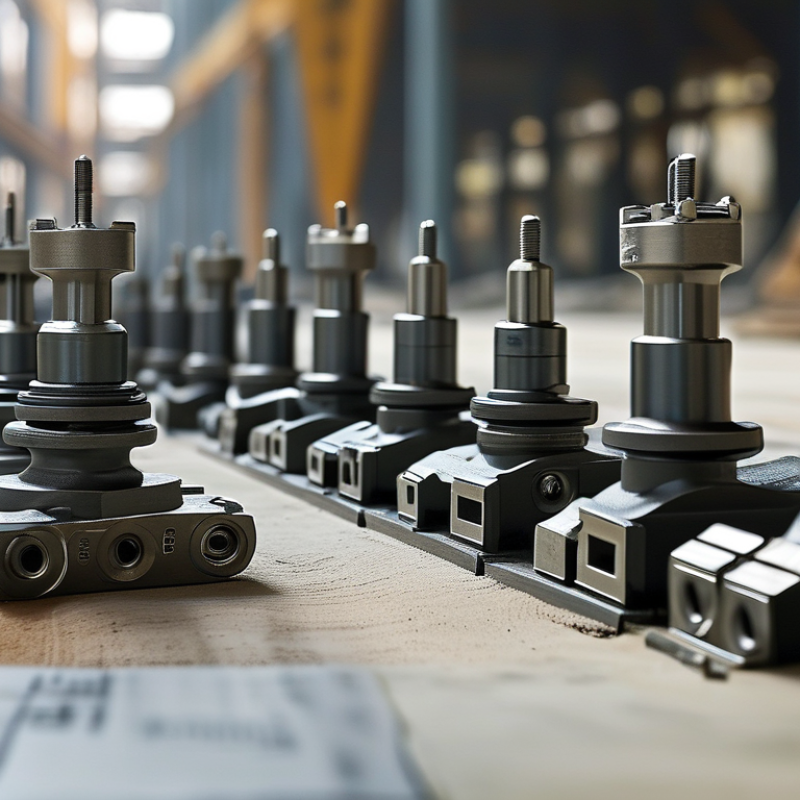
Cast-in fixings provide essential support for structural integrity and stability in construction. They ensure that fixtures are securely anchored, reducing the risk of failure under load. This aspect is critical in environments where safety is paramount. When integrated properly, cast-in fixings can improve the overall durability of a structure. They resist moisture and corrosion, making them ideal for various applications.
However, it's essential to consider the installation process. A poorly executed installation can lead to disastrous results. Each site presents unique challenges that influence how these fixings perform. Regular training for installation teams can minimize mistakes and enhance overall effectiveness. Attention to detail during the fitting process can save time and costs in the long run.
Furthermore, choosing the right type of cast-in fixing for a specific project is vital. Not all fixings are suited for every environment or load requirement. Buyers should evaluate specifications and consult with experts when necessary. A careful selection can significantly enhance structural performance. Investing time in these considerations pays off in the resilience of the final build.
Cost-Effectiveness of Cast-In Fixings in Construction Projects
Cast-in fixings have become an essential element in modern construction, offering notable cost-effectiveness for projects worldwide. These fixings integrate seamlessly into concrete, promoting stability without the need for additional anchorage systems. Their installation during the pouring of concrete saves time and labor costs. By reducing the need for post-installation adjustments, efficiency increases across various phases of construction.
While the initial investment might seem comparable to conventional fastening methods, long-term savings create a compelling case for cast-in solutions. Their durability often leads to decreased maintenance costs. Additionally, these fixings can streamline logistics by lowering material requirements. However, it’s crucial to implement them correctly; improper installation can lead to costly failures. Learning from past projects is vital. This reflection can enhance future application and drive continuous improvement.
Furthermore, the versatility of cast-in fixings allows for their use in diverse environments. They perform well in both residential and industrial settings. Understanding the specific requirements of each project is essential to maximize their potential benefits. This depth of knowledge ensures that buyers can appreciate the full spectrum of cost-effectiveness offered by cast-in fixings.
Installation Efficiency of Cast-In Fixings Compared to Other Methods
In construction, the efficiency of installation methods significantly impacts project timelines and budgets. Cast-in fixings have emerged as a preferred choice for many builders. According to research from the European Organization for Technical Assessment, cast-in fixings can reduce installation time by up to 30% compared to conventional methods. This is largely due to their integration into the concrete pour stage, eliminating the need for subsequent drilling or anchor setting.
The benefits extend beyond speed. A study published by the American Institute of Steel Construction highlighted that cast-in fixings reduce the potential for installation errors. Traditional methods often lead to misalignment, which can be costly to rectify. A survey conducted by BIM+ revealed that 25% of contractors experience delays due to misaligned fixings, impacting overall project delivery. Cast-in fixings minimize such risks and enhance the stability of connections.
However, there are challenges to consider. The reliance on precise placement demands skilled labor and thorough planning. Any mistakes in locating the fixings can compromise the whole structure. Additionally, as noted in industry reports, varying concrete quality can affect the load-bearing efficiency of these fixings. Ensuring optimal conditions during installation is crucial yet often overlooked in fast-paced projects. Balancing installation efficiency with quality control remains a vital point for all stakeholders in the construction process.
Top 10 Cast-In Fixings Benefits for Global Buyers - Installation Efficiency of Cast-In Fixings Compared to Other Methods
| Benefits |
Description |
Comparison with Other Methods |
Efficiency Rating (1-10) |
| Fast Installation |
Cast-in fixings allow for quicker setup time compared to traditional methods. |
Faster than bolt anchors and drilling methods. |
9 |
| Load Distribution |
Distributes loads more evenly throughout the concrete structure. |
More effective than using expansion anchors. |
8 |
| Reduced Site Debris |
Less mess on site due to fewer materials needing to be cut or removed. |
Cleaner than using post-installed systems. |
7 |
| Durability |
Higher durability under various weather conditions. |
Generally more durable than surface-mounted fixings. |
8 |
| Corrosion Resistance |
Built into the concrete, offering better resistance to corrosion. |
Superior to exposed fasteners. |
9 |
| Aesthetic Appeal |
Provides a cleaner look without visible anchors. |
More visually appealing than visible fixings. |
8 |
| Flexibility in Design |
Allows for a greater range of design options due to inherent stabilizing properties. |
Offers more flexibility than fixed methods. |
7 |
| Lower Long-term Costs |
Reduction in costs from fewer replacements and repairs. |
Cheaper in the long run compared to traditional systems. |
8 |
| Enhanced Safety |
Improves overall safety with a more secure anchor point. |
Safer than temporary or lesser fixings. |
9 |
| Speed of Repairs |
Repairs can be conducted quickly without major disruption. |
More efficient repairs than post-installed solutions. |
8 |
Versatility of Cast-In Fixings for Various Construction Materials
Cast-in fixings offer unique advantages across various construction materials. Their versatility makes them a popular choice for engineers and architects. Data shows that construction projects using cast-in fixings can improve structural integrity by up to 30%. This statistic highlights the efficiency of these solutions in accommodating different materials like concrete, steel, and masonry.
When working with concrete, cast-in fixings provide robust anchoring. They create strong bonds that enhance load transfer capacity. Reports indicate that the adaptability of these fixings allows them to perform well, even in varied environmental conditions. This ensures durability for structures exposed to harsh elements.
However, there are challenges. The installation process requires precision. Misalignment during installation can compromise effectiveness. Furthermore, some materials may have specific requirements for cast-in fixings. A detailed understanding of these nuances is crucial for success. Overall, while the benefits are significant, thoughtful consideration of the application context is necessary.
Sustainability and Environmental Impact of Using Cast-In Fixings
Cast-in fixings offer significant advantages in terms of sustainability and environmental impact. These systems are typically integrated into concrete structures, minimizing waste during installation. The materials used are often recyclable, further enhancing their eco-friendliness. By reducing the need for additional fastening systems, cast-in fixings help cut down on resource consumption, leading to a lower environmental footprint.
However, it is essential to consider the lifecycle impact. While cast-in fixings reduce waste during construction, their production can be energy-intensive. Choosing manufacturers that prioritize sustainable practices is crucial. Evaluating the environmental certifications of these products can guide buyers toward greener options.
Tip: Always ask for information about the sourcing of materials. Knowing how products are made helps make informed decisions. Investigate the recyclability of fixings at the end of their lifespan. This proactive approach can lead to better lifecycle management of construction materials. Remember, sustainability is a journey, and every decision counts.