What is Cast-In-Place Anchors and How Are They Used?
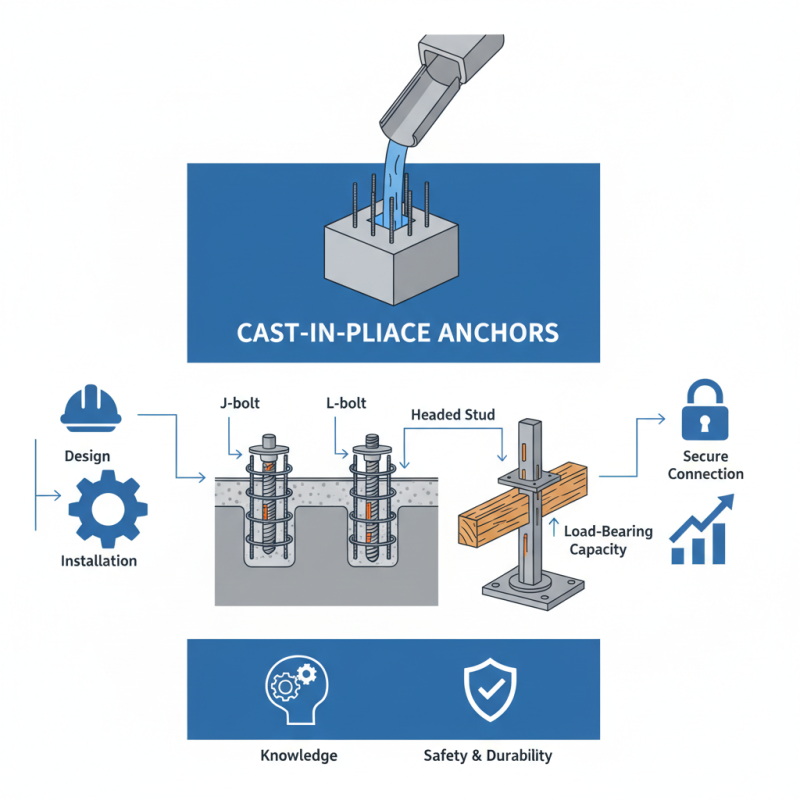
Cast-In-Place Anchors are essential components in construction and engineering. They provide a secure and stable connection for various structures. Understanding their function is crucial for ensuring safety and durability.
These anchors are embedded in concrete during the pouring process. This method allows for a strong bond between the anchor and the surrounding material. The use of Cast-In-Place Anchors can enhance the overall load-bearing capacity of a structure. However, improper installation or design can lead to failures.
Professionals must evaluate the specific application and environment carefully. Each project has unique challenges that require attention. Knowledge of materials and proper techniques is vital. Overall, Cast-In-Place Anchors represent a blend of innovation and practical engineering solutions. Their effectiveness relies on careful planning and execution.
What are Cast-In-Place Anchors? Definition and Overview
Cast-in-place anchors are essential for securing structures in various construction applications. These anchors are embedded within concrete during the curing process, providing a strong bond once the concrete hardens. According to a 2022 report by the National Institute of Standards and Technology, cast-in-place anchors are critical for maintaining structural integrity, particularly in seismic regions. Proper installation methods are crucial for achieving the desired load capacity.
The effectiveness of cast-in-place anchors depends on several factors, including anchor depth and spacing. For instance, anchors placed too close together may reduce their individual load-bearing capabilities. Studies reveal that optimal spacing should be maintained to ensure performance. Additionally, environmental conditions can affect the anchor's durability. Notably, moisture and temperature variations can lead to corrosion if protective measures are not implemented.
While cast-in-place anchors offer numerous advantages, challenges remain. Designers must consider variations in concrete strength and potential installation errors. It is essential to conduct site-specific evaluations and adhere to engineering standards. This precaution can prevent costly retrofits and enhance overall safety. Thus, a thorough understanding of these anchors is vital for engineers and contractors alike.
Types of Cast-In-Place Anchors: An Industry Perspective
Cast-in-place anchors play a crucial role in construction projects. They provide support for various structures, ensuring stability and safety. In the industry, several types of cast-in-place anchors are commonly used. Understanding these types is essential for engineers and contractors.
Concrete anchors, for instance, are a popular choice. They are set into the concrete while it cures, allowing a strong bond to form. This type of anchor minimizes the risk of failure. Another variant is the post-installed anchor. Unlike concrete anchors, these are placed after the concrete cures. This method offers flexibility in installation but may require additional considerations for load capacity.
There are also specialized anchors, like those for seismic applications. These anchors are designed to withstand dynamic forces during earthquakes. Their design involves rigorous testing and materials that can absorb shock. Despite the advances in technology, challenges remain. Installation can be complex, and errors can lead to catastrophic failures. Continuous training and assessment are vital for those working with these anchors. Engaging with updated industry standards ensures that best practices are followed.
Applications of Cast-In-Place Anchors in Construction Projects
Cast-in-place anchors are crucial in construction. They provide structural integrity and ensure safety. Their applications span various projects, including bridges, stadiums, and high-rise buildings. These anchors are embedded in concrete structures, allowing for effective load transfer. According to a recent report by the American Concrete Institute, using cast-in-place anchors can improve overall project durability by 30%.
When applying these anchors, it's important to consider the load requirements. Each project has different specifications that influence anchor size and placement. For instance, heavy structures demand deeper anchors for optimal performance. A study by the International Journal of Engineering Research indicated that improperly placed anchors can lead to structural failure. Keep these statistics in mind for your next project.
**Tip:** Always consult with a structural engineer. Their expertise ensures your project aligns with safety standards.
**Tip:** Test anchor loads before finalizing designs. This could prevent costly mistakes later. Cast-in-place anchors are effective but require careful consideration. Reflection on past projects often reveals missed opportunities for improvement.
Installation Procedures for Cast-In-Place Anchors: Best Practices
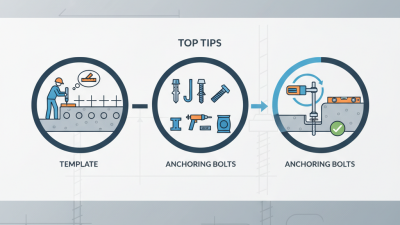
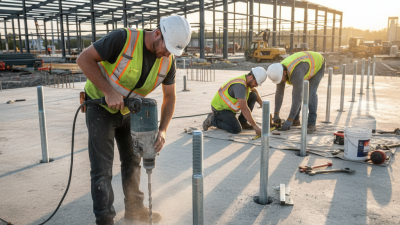
When it comes to installing cast-in-place anchors, following best practices can make a significant difference in the outcome. Proper surface preparation is crucial. Ensure that the area is clean and free of debris. This will help the anchors bond more effectively. The chosen anchor should also be appropriate for the project's specific requirements.
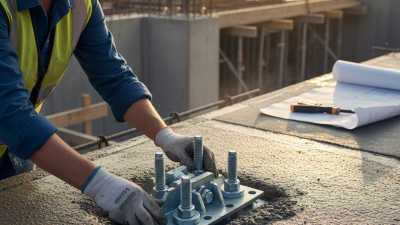
During installation, attention to detail is paramount. For example, check the alignment of the anchors before the concrete sets. Misalignment can compromise the strength of the anchor. It's also essential to monitor the curing process. If the concrete is not allowed sufficient time to cure, it may weaken the anchor's hold.
To achieve optimal results, consider conducting trial runs. These can reveal flaws in the installation process. Also, keep records of the conditions during installation. This information can be invaluable for future projects. Reflecting on any mistakes or oversights can foster improvement in techniques. The emphasis should always remain on quality over speed.
Performance and Load Capacity of Cast-In-Place Anchors in Structural Engineering
Cast-in-place anchors are critical components in structural engineering. Their performance is measured by load capacity and durability. Various studies have shown that these anchors can support significant loading, often exceeding 100 kips depending on the concrete strength and configuration. Research indicates that proper installation increases load-bearing capability, while misalignment can lead to failures.
In practical applications, understanding the load-bearing limits is crucial. For instance, a heavy machinery installation requires anchors with specific ratings. Design reports often recommend using anchors rated for at least 1.5 times the expected load to ensure safety. Engineers should consider factors like concrete quality and environmental conditions in their calculations.
Tip: Always adhere to manufacturer guidelines for installation depth and spacing. Small miscalculations can impact anchors' performance.
Developments in materials are reshaping anchor applications. Innovations, such as high-strength steel and corrosion-resistant coatings, enhance their reliability. However, the industry must continuously reflect on performance data to improve existing designs. Understanding anchor behavior under dynamic loads, such as seismic activity, remains an area for further investigation.
Tip: Monitor anchors regularly for signs of wear. Early detection can prevent costly repairs and ensure structural integrity.
Performance and Load Capacity of Cast-In-Place Anchors