Best Practices for Anchoring Bolts In Concrete Foundations?
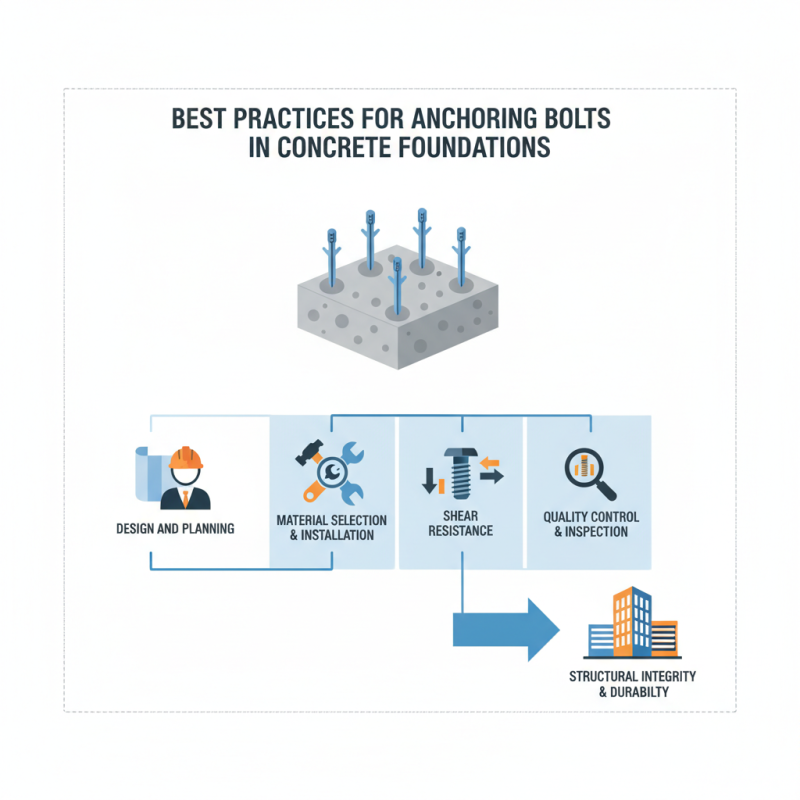
Anchoring bolts in concrete foundations are crucial for structural integrity. According to a report by the American Concrete Institute, improper anchoring can lead to significant structural failures. A well-designed anchor ensures stability and load distribution across the foundation.
Dr. Emily Morris, a leading expert in structural engineering, emphasizes, "Effective anchoring is vital for safety and durability." Her research highlights the importance of selecting the right materials and installation techniques. Anchoring bolts must resist forces such as tension and shear that may occur during their lifespan.
Despite guidelines, many projects still face challenges. Poor installation can compromise a building's safety. It's essential to review each step of the anchoring process and not overlook details. Observing best practices can enhance reliability in using anchoring bolts in concrete foundations.
Identification of Suitable Anchoring Bolts for Concrete Foundations
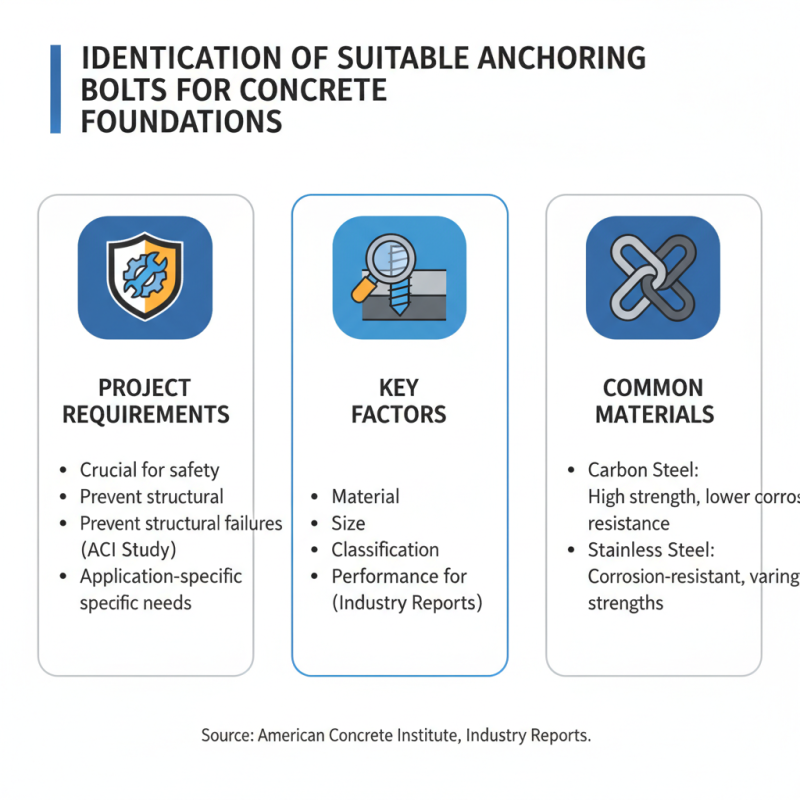
When selecting anchoring bolts for concrete foundations, it’s crucial to consider the specific requirements of your project. A study by the American Concrete Institute highlights that improperly selected bolts can lead to structural failures. According to industry reports, the bolt material, size, and classification play key roles in their performance. Common materials include carbon steel and stainless steel, each with distinct properties influencing corrosion resistance and strength.
The anchoring method is equally important. Mechanical anchors may be suitable for lighter loads, while adhesive anchors are often preferred for heavier structures. The Concrete Reinforcing Steel Institute states that using the correct embedment depth enhances load capacity. Another notable detail is that environmental factors should not be overlooked. Exposure to moisture and chemicals can impact the longevity of your anchor bolts, necessitating a careful material selection process.
Design professionals should regularly review installation practices. Data from structural engineering journals indicates that about 30% of bolted connections fail due to installation errors. Regular training and adherence to established guidelines can improve outcomes. Paying attention to these details fosters a better understanding of suitable anchoring bolts, ensuring safer and more effective concrete foundations.
Preparation of Concrete Surface for Optimal Bolt Performance
Preparing the concrete surface is essential for ensuring the optimal performance of anchoring bolts. Start by cleaning the area thoroughly. Remove any debris, oil, or contaminants that may interfere with the bond. A clean surface enhances adhesion and improves load-bearing capacity. Utilize a wire brush or pressure washer for effective cleaning.
Next, consider the surface texture. A roughened surface increases the mechanical interlock between the bolt and concrete. You could use a grinder to achieve this texture. Ensure the surface is not just rough, but also free from dust created during the grinding process. Dust creates a barrier that can weaken the bond.
Finally, inspect the concrete for any cracks or weaknesses. Damaged areas need repair before installing bolts. This step might seem tedious, but it prevents future complications. Remember that patience and attention to detail during surface preparation can significantly affect the performance of anchored bolts in your concrete foundation.
Best Practices for Anchoring Bolts In Concrete Foundations
This chart illustrates the performance ratings of various factors influencing the anchoring of bolts in concrete foundations, showcasing the importance of surface preparation, anchor type, bolt size, and embedment depth for optimal performance.
Techniques for Accurate Placement and Installation of Anchoring Bolts
Accurate placement and installation of anchoring bolts in concrete foundations are crucial for structural integrity. Studies show that improper bolt placement can result in serious structural failures. According to the American Concrete Institute (ACI), a misalignment of just 1% can decrease the load capacity by over 10%.
Using a template can greatly enhance precision during the installation. Templates help ensure that the bolts are set in the correct positions and at the right depth. A small error can have significant impacts, which means attention to detail is vital. Additionally, pre-drilling the holes can prevent concrete spalling, a problem that often arises when fittings are forced into place.
Another common struggle involves determining the proper embedment depth. The minimum depth often recommended is at least 10 times the diameter of the bolt. However, some reports suggest that increasing this depth can improve load distribution and reduce failure risks. Installing bolts without considering these factors demonstrates negligence that can be costly in the long term. Planning and adhering to established guidelines is not merely beneficial; it is essential for the success of any construction project.
Best Practices for Anchoring Bolts In Concrete Foundations
| Best Practice |
Description |
Tools Required |
Recommended Spacing |
| Correct Placement |
Ensure bolts are placed according to structural plans |
Measuring tape, marking tool |
Minimum 1.5 times bolt diameter |
| Use of Templates |
Use templates to ensure accurate spacing and alignment |
Template, level |
Based on specific project requirements |
| Proper Holes |
Drill appropriate sized holes for bolts |
Drill, drill bit |
Refer to bolt specifications |
| Curing Time |
Allow concrete to cure adequately before installing bolts |
N/A |
At least 7 days |
| Inspection |
Conduct inspection of bolt installation |
Inspection tools, checklist |
N/A |
Proper Curing Methods to Enhance Concrete Bonding with Anchors
When securing anchoring bolts in concrete foundations, proper curing methods are vital. Curing enhances the bond between concrete and anchors. According to the American Concrete Institute, thorough curing can increase the compressive strength of concrete by 50% or more. This strength provides a durable bond for anchoring systems.
One effective method is to maintain adequate moisture levels. Keeping the surface damp for at least seven days can significantly improve bond quality. This prevents the formation of cracks and surface defects, which can weaken the connection between the anchor and concrete.
Tip: Use wet burlap or plastic sheeting to retain moisture during curing.
Temperature is another crucial factor. Curing in extreme temperatures can lead to inadequate hydration, causing weaker concrete. The ideal temperature range for curing concrete is between 50°F and 90°F. Outside this range, consider using insulation or heating blankets as necessary.
Tip: Monitor daily temperatures, especially in fluctuating weather conditions.
Reflection on these practices reveals that not all projects employ ideal curing methods. Neglecting proper curing can lead to costly repairs later. By committing to best practices in curing, professionals can ensure more reliable foundations for anchoring bolts.