Best Hot Dip Galvanised Bolts for Your Projects?
When it comes to construction and engineering, choosing the right materials is crucial. Hot Dip Galvanised Bolts offer exceptional durability and resistance to corrosion. These bolts undergo a process that immerses them in molten zinc, creating a robust protective layer. This unique feature makes them ideal for outdoor projects and industrial applications.
Many companies offer various types of Hot Dip Galvanised Bolts. However, not all are created equal. Understanding your project's specific needs will help you select the best options. Pay close attention to the environment where the bolts will be used. Factors like exposure to moisture and harsh chemicals can impact longevity.
Sometimes, the cheapest option may not be the best choice. High-quality Hot Dip Galvanised Bolts may cost more upfront but save money long term by reducing maintenance needs. This consideration encourages reflection on the value of quality over cost. Selecting the right bolts is not just a choice; it's an investment in safety and durability.
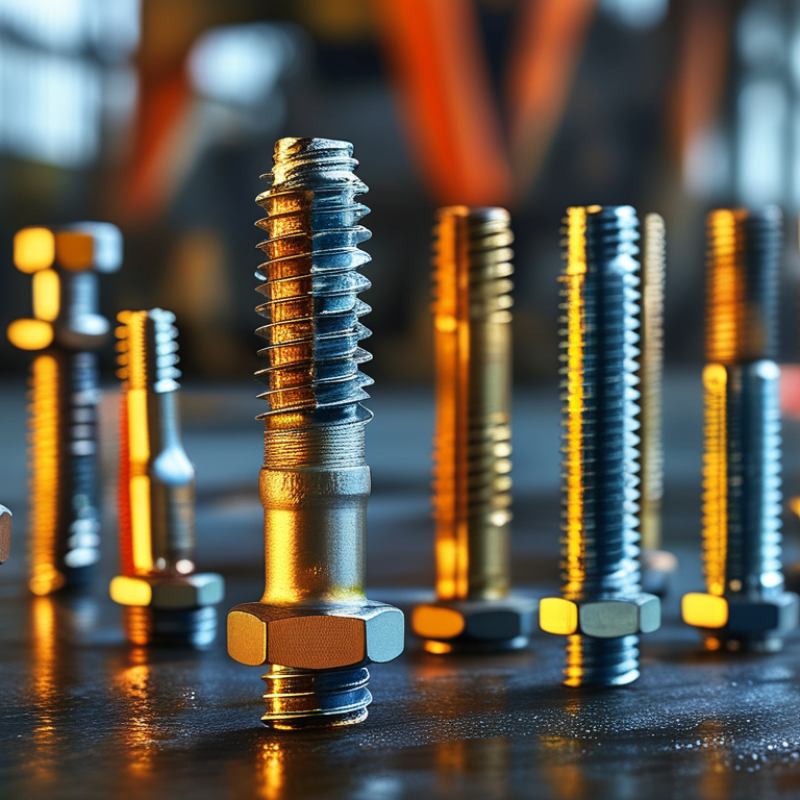
Understanding Hot Dip Galvanising Process and Its Benefits
Hot dip galvanising is a process that coats steel with zinc. This method enhances corrosion resistance. The zinc layer prevents rust for many years. The process involves submerging steel parts in molten zinc. This creates a strong bond between the steel and zinc.
Benefits of hot dip galvanising are significant. It offers long-term protection. Projects exposed to harsh environments benefit the most. The coating is also thicker than other methods, ensuring durability. However, the appearance might not meet every aesthetic requirement. In some cases, the finish can be rough.
Understanding this process is crucial for selecting the right bolts for your projects. Choosing well-galvanised bolts leads to better performance. Be aware of the limitations as well. The zinc layer can wear over time. Regular maintenance can help ensure longevity. This attention to detail makes a difference in project success.
Key Characteristics of High-Quality Hot Dip Galvanised Bolts
When selecting hot dip galvanised bolts, quality matters. High-quality bolts exhibit several key characteristics that ensure durability and performance. One major feature is the thickness of the galvanised coating. A robust layer protects against rust and corrosion. The coating should be even and consistent, which enhances longevity in harsh environments.
Another critical aspect is the material of the bolt itself. Look for bolts made from high-strength steel. This type of material provides excellent tensile strength. Properly manufactured bolts also have precise threading. Flaws in threading can lead to failures. Reliable bolts should pass industry standards for strength and corrosion resistance.
Finally, consider the manufacturer’s reputation. Established companies often invest in quality control measures. They may conduct rigorous testing to guarantee their products' reliability. However, not every bolt can meet these high standards. It's essential to study specifications thoroughly and seek feedback from experienced users. This reflects the importance of discerning quality before making a purchase.
Top Applications for Hot Dip Galvanised Bolts in Construction
Hot dip galvanised bolts are essential in various construction applications. Their durability and corrosion resistance make them ideal for outdoor and harsh environments. In fact, industry reports indicate that galvanising can increase a bolt's lifespan by up to 50 years. This longevity is crucial in critical structures like bridges and high-rise buildings where safety and reliability are paramount.
These bolts are often used in heavy machinery, structural framing, and marine applications. They resist rust and wear, effectively reducing maintenance costs. However, it’s important to ensure proper installation. Poor alignment or inadequate torque can compromise their strength. In structural projects, the American Institute of Steel Construction recommends regular inspections to maintain integrity.
**Tip:** Always verify the specifications of bolts. Substandard materials can lead to serious failures. Keep in mind that every project is unique. Match the bolt type with the environmental conditions for optimal performance. Regularly reviewing industry standards can also help ensure compliance and safety.
Best Hot Dip Galvanised Bolts for Your Projects? - Top Applications for Hot Dip Galvanised Bolts in Construction
| Application |
Type of Bolt |
Diameter (mm) |
Length (mm) |
Load Capacity (kN) |
Corrosion Resistance Level |
| Structural Steelwork |
Hex Bolt |
16 |
100 |
35 |
High |
| Bridges |
Heavy Duty Bolt |
20 |
150 |
50 |
Very High |
| Marine Structures |
Lag Screw |
14 |
200 |
30 |
Extreme |
| High-rise Buildings |
Flanged Bolt |
18 |
120 |
45 |
High |
| Outdoor Furniture |
Carriage Bolt |
12 |
75 |
20 |
Medium |
| Industrial Applications |
Square Head Bolt |
24 |
180 |
60 |
Very High |
Factors to Consider When Choosing Hot Dip Galvanised Bolts
When selecting hot dip galvanised bolts for projects, several factors are crucial. One important consideration is the thickness of the zinc coating. Reports by industry standards indicate that a 45-micron thickness is generally adequate for most outdoor applications. However, in highly corrosive environments, a thickness of 85 microns may be necessary for enhanced durability.
The bolt grade is another vital factor. Bolts are categorized based on their tensile strength. High-strength bolts, like those graded 8.8 or above, are suitable for construction and heavy machinery. According to the Fastener Quality Act, these grades must meet specific performance criteria to ensure safety. A reliable supplier will provide documentation attesting to a bolt's grade and corrosive resistance.
Environmental conditions should not be overlooked. If a project is located near seawater or chemical plants, the corrosion rate can increase significantly. Studies have shown that exposure to salty air can reduce the lifespan of bolts considerably without proper protection.
Assessing your project needs and environmental factors will guide you in choosing the right hot dip galvanised bolts. Make informed decisions based on your specific situation. Sometimes, opting for the more expensive but higher-quality options leads to better long-term savings. You might regret compromising on quality for cost in the future.
Comparison of Different Hot Dip Galvanised Bolts
Comparative Analysis of Different Brands of Hot Dip Galvanised Bolts
When selecting hot dip galvanised bolts for your projects, it’s vital to understand the nuances between brands. Each brand may offer different coatings, thicknesses, and grades of galvanisation. These factors affect durability and corrosion resistance. A thorough comparison highlights how some bolts provide superior protection against rust. This is crucial for outdoor applications or humid environments.
Another critical aspect is the tensile strength and threading quality of these bolts. Some brands may excel in tensile strength but lack in proper threading, leading to installation issues. Identifying these discrepancies can prevent future headaches. User reviews often highlight these shortcomings, revealing that not all products meet their stated specifications.
Price can be a misleading indicator of quality. While some expensive options promise high performance, they may not live up to expectations. Testing samples before large purchases may seem tedious, yet it’s necessary. Gathering insights on various brands requires patience and diligence, especially to find the ideal balance between cost and quality. Consider how often you need replacements or repairs in your projects; these factors could sway your decision significantly.