Explore the Benefits of Bevel Cut Rails for Your Projects?
In today's construction and design projects, the choice of materials can determine success. One innovative option is "Bevel Cut Rails." These rails not only enhance aesthetics but also improve functionality. Their unique angled edges provide a sleek look. This approach allows for better light diffusion and shadow play, adding depth to any space.
Using bevel cut rails can elevate the visual appeal of your projects. Yet, they also come with challenges. Installing them requires precision and skill. Mistakes can lead to gaps or uneven surfaces, impacting the overall design. It's essential to consider these factors before deciding on this style.
Ultimately, the benefits of bevel cut rails can outweigh the difficulties. Careful planning and execution will yield impressive results. These rails can transform ordinary designs into extraordinary ones, showcasing creativity and attention to detail. Engaging with experienced professionals can further enhance the reliability of your projects.
Understanding Bevel Cut Rails: Definition and Applications
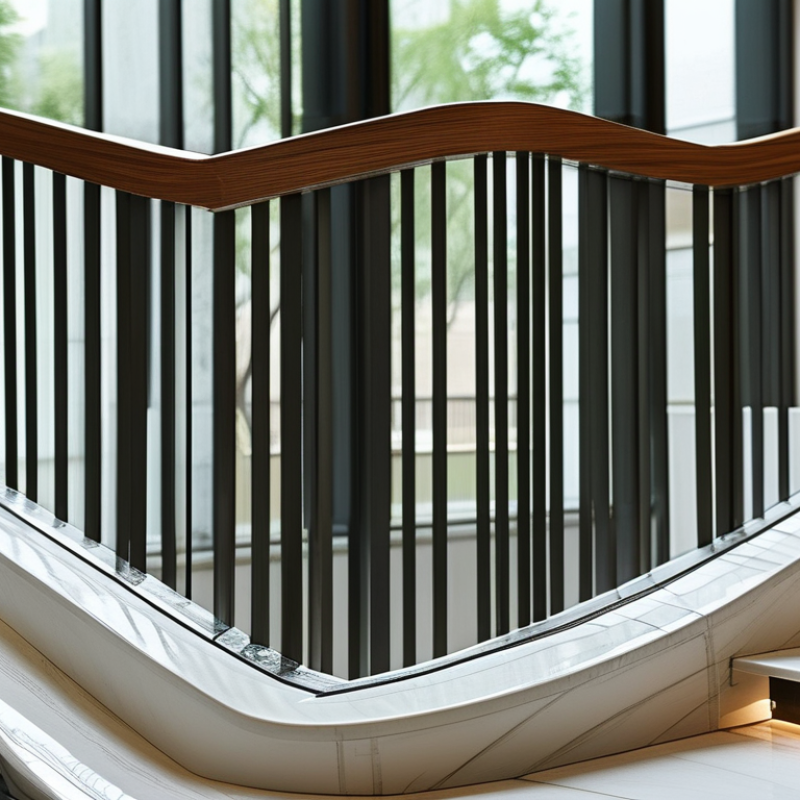
Bevel cut rails are a versatile component in construction and woodworking. These rails have angled cuts at their edges, making them essential for creating precise joints. They are commonly used in cabinetry, staircases, and decorative molding. The angled edges provide a snug fit, enhancing durability and aesthetics. When applied correctly, bevel cut rails elevate the visual appeal of any project.
For effective results, consider using a sharp blade when making bevel cuts. A dull blade may lead to rough edges and improper fits. Measure twice before cutting to avoid errors. Remember, each project is unique, and the angle of the cut can differ. Adjust your approach according to the specific requirements of your work.
Mistakes happen. A wrong angle can lead to wasted materials and time. Embrace these moments for growth. Learning from errors helps improve accuracy and technique. Over time, consistency will yield better results. Investing time in understanding bevel cutting techniques pays off in quality craftsmanship.
Explore the Benefits of Bevel Cut Rails for Your Projects
| Dimension |
Material |
Applications |
Benefits |
| 1" x 2" |
Aluminum |
Furniture, Railing |
Lightweight, Rust-resistant |
| 2" x 4" |
Steel |
Industrial Structures, Fences |
Durable, High Load Capacity |
| 1" x 3" |
Wood |
Decks, Handrails |
Aesthetic Appeal, Easy to Work With |
| 3" x 3" |
PVC |
Outdoor Gates, Privacy Fences |
Weather-resistant, Low Maintenance |
Advantages of Bevel Cut Rails in Construction Projects
Bevel cut rails have gained popularity in construction projects for several compelling reasons. Their unique design allows for a seamless fit, reducing gaps between materials. This results in a cleaner, more professional look. In busy construction sites, every detail matters, and bevel cut rails can enhance overall aesthetics.
Another significant advantage is the improved durability. The angled cuts help to distribute stress more evenly across the material. This can lead to fewer structural issues over time. However, it’s essential to ensure precision in cutting. An imprecise bevel can lead to misalignments, counteracting the benefits. Proper training and tools are crucial to achieving those clean edges.
The ease of installation is another bonus. Builders often find that bevel cut rails simplify the joining process. However, not every project benefits equally. In some cases, traditional cuts may still prove more effective. Being aware of the project requirements is vital. Evaluating the specific context will help determine the best approach.
How Bevel Cut Rails Improve Aesthetic Appeal and Functionality
Bevel cut rails can significantly enhance both the aesthetic appeal and functionality of your projects. By making precise angles at the ends of wooden or metal rails, you create a sleek, modern finish. This detail helps to promote a sophisticated look that suits various design styles. For instance, in a contemporary home, bevel cut rails can soften the angular lines of walls and ceilings, creating a visual flow.
Functionally, these rails improve safety. The smooth edges reduce the risk of splinters or injury, making them ideal for high-traffic areas. Additionally, beveled edges allow for better integration with other materials. For example, when used in stairways, they provide a seamless transition between surfaces. It’s an often-overlooked detail that can elevate a design while maintaining practicality.
However, achieving perfect bevel cuts requires skill and patience. Mistakes in angle measurement can lead to mismatched joints and unsightly gaps. This can be frustrating, especially when working on intricate projects. Taking the time to practice and refine your technique can lead to better results. Embracing imperfections as learning opportunities will ultimately enhance your craftsmanship in the long run.
Cost-Effectiveness of Using Bevel Cut Rails in Design
Bevel cut rails have gained popularity in modern design. Their cost-effectiveness makes them appealing for various projects. Utilizing these rails can significantly reduce material waste. This helps in lowering overall project costs while maintaining quality.
When choosing bevel cut rails, it's important to consider the application. Not every design requires intricate cuts. Sometimes, simpler solutions can achieve the same result. Reflecting on this aspect can optimize resource allocation.
Thinking creatively can also lead to innovative applications. Try integrating bevel cut rails in unexpected ways. This could enhance aesthetics and functionality without overspending. Quality craftsmanship with these materials can elevate your project. Remember that thoughtful design can often be more valuable than costly materials.
Installation Tips for Achieving Optimal Results with Bevel Cut Rails
Bevel cut rails offer a unique advantage in various projects, particularly in woodworking and cabinetry. To achieve the best results, proper installation techniques are essential. Begin by ensuring your tools are sharp and well-calibrated. Using dull tools can lead to uneven cuts and compromised joints. This can be frustrating, especially when precision matters.
Pre-measure each piece carefully before cutting. Mistakes often arise from inaccurate measurements. Instead of rushing, take time to double-check your dimensions. A small error can lead to bigger issues down the line. When assembling, make sure to align the bevel cuts accurately. Misalignment can ruin the look and functionality of your project, leading you to question your craftsmanship.
Remember to sand the edges after cutting. This may seem minor, but it significantly impacts the fit and finish of the project. Smooth edges reduce the likelihood of splintering and improve overall aesthetics. While you might be tempted to skip this step, it’s a crucial part of achieving a professional look. Take the time to reflect on your process, and don’t hesitate to adjust based on what works for you. Each project is a learning experience that can enhance your skills over time.