2026 Top Cast-In Fixings Guide for Global Buyers?
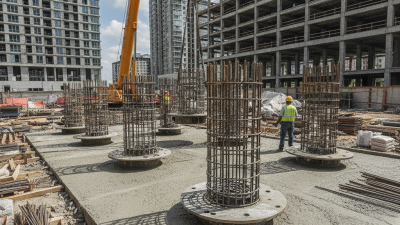
In the world of construction, selecting the right components is critical. Cast-In Fixings are essential for structural integrity. These fixings provide a reliable way to anchor elements within concrete. For global buyers, understanding the options available is key to successful projects.
The 2026 Top Cast-In Fixings Guide offers valuable insights. Professionals need up-to-date knowledge about materials, specifications, and manufacturers. Each region may have unique challenges, so it’s important to reflect on local standards and practices. This guide not only lists top choices but also highlights potential pitfalls.
In an industry where precision matters, trust in reliable sources is paramount. We must consider quality and compatibility with existing structures. Always examine details before making a decision. Understanding the advancements in Cast-In Fixings can greatly influence the outcome of any construction project.
2026 Market Trends: Growth Rate of Cast-In Fixings Worldwide
The global market for cast-in fixings is poised for remarkable growth in 2026. This increase stems from the rising demand in construction and infrastructure projects. Emerging economies are driving this trend, showcasing an expanding appetite for durable and reliable fastening solutions. Cast-in fixings play a critical role in ensuring structural integrity. As builders and engineers look for efficiency, these products offer a sustainable alternative.
Market dynamics indicate a shift towards innovation. Manufacturers are investing in research to enhance performance features. Lightweight materials and corrosion resistance are key focus areas. These advancements aim to meet strict safety standards and improve longevity. However, with rapid innovation, producers must balance cost and quality. Not all advancements yield immediate benefits, and some could lead to unforeseen complications during installation.
Buyer awareness is crucial in this evolving landscape. Many are not well-informed about the variations in quality and application. This gap could lead to poor purchasing decisions, impacting project outcomes. Education and professional guidance can mitigate these risks. Ensuring reliable partnerships with suppliers can enhance project success. As the market evolves, both buyers and manufacturers face a learning curve. This ongoing dialogue will shape the future of cast-in fixings.
Key Specifications: Types of Cast-In Fixings and Their Applications
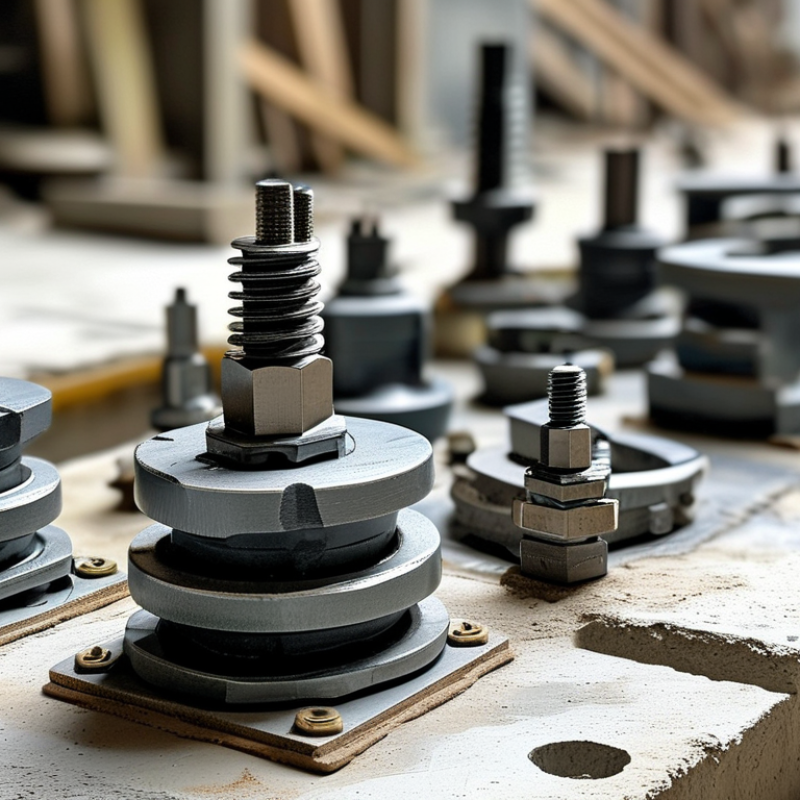
When selecting cast-in fixings, understanding their types and applications is crucial. Cast-in fixings come in various designs. Each type serves a unique purpose. For instance, anchor bolts are prevalent for securing structural elements. They can resist both tension and shear loads. These fixings ensure stability in construction projects. Yet, not all projects will benefit from their use.
Another category includes sleeves and inserts. These are used to connect pre-manufactured elements. They simplify the assembly of different components. However, using sleeves requires precision during installation. Misalignment can lead to structural failures. Additionally, the choice of material impacts durability. Selecting the right material is often overlooked. It's essential to evaluate environmental factors that can cause corrosion or degradation.
Moreover, while cast-in fixings are reliable, they are not infallible. Improper installation or lack of maintenance can lead to serious issues. Regular inspections can help identify potential problems early. This proactive approach saves time and costs. Ultimately, understanding the specifications and applications of each type of cast-in fixing is essential for ensuring their effectiveness in any project.
2026 Top Cast-In Fixings Guide for Global Buyers
| Type of Cast-In Fixing |
Specifications |
Applications |
Load Capacity |
| Concrete Anchor |
M20, Length: 100mm |
Structural Components, Machinery |
Up to 20 kN |
| Sleeve Anchor |
M10, Length: 75mm |
Wall Fixtures, Railing Systems |
Up to 15 kN |
| Rebar Anchor |
D12, Length: 300mm |
Concrete Reinforcement |
Up to 25 kN |
| Drop-In Anchor |
M12, Length: 90mm |
Heavy Duty Fixtures, Machinery |
Up to 30 kN |
| Through Bolt |
M16, Length: 150mm |
Structural Steel Connection |
Up to 35 kN |
Material Analysis: Common Materials Used in Cast-In Fixings
When choosing cast-in fixings, the material plays a crucial role. Common materials include stainless steel, carbon steel, and plastic. Each material has distinct properties that affect its performance and durability. Stainless steel is highly resistant to corrosion, making it ideal for outdoor applications. Carbon steel, on the other hand, offers high strength, but it may need protective coatings to withstand moisture. Meanwhile, plastic materials provide lightweight options, though they may not be as robust in heavy-duty situations.
Understanding the environment is essential. For instance, stainless steel is excellent for coastal regions due to its corrosion resistance. However, in dry indoor settings, carbon steel may perform just as well and be more cost-effective. Testing materials for tensile strength and environmental resilience can reveal their true potential.
When selecting materials, consider these tips: Always ask for material certifications. Look for third-party testing to ensure reliability. Check for user reviews or case studies related to specific applications. Doing so can provide insights into long-term performance and potential pitfalls, helping buyers make informed decisions.
2026 Top Cast-In Fixings: Material Analysis
Global Supply Chain: Sourcing Challenges for Cast-In Fixings
The global supply chain for cast-in fixings faces several sourcing challenges in 2026. A recent report by the Construction Industry Institute indicates that 48% of suppliers experience delays in raw material procurement. This has led to a significant increase in lead times for construction projects. As demand surges due to infrastructure development, availability issues persist.
Moreover, labor shortages remain a critical concern. Many manufacturing facilities report a 30% reduction in workforce compared to pre-pandemic levels. This situation hampers production rates and affects delivery schedules. Industry analysts suggest that companies should enhance their supplier relationships to mitigate these risks. Building strong partnerships can result in better communication and planning, helping to navigate the uncertainties.
The fluctuating prices of key materials also contribute to sourcing complications. For instance, steel prices saw a 15% increase over the past year. Such volatility can disrupt budget forecasts and project timelines. Buyers must stay adaptable, exploring alternative materials and suppliers. Developing contingency plans may prove essential in this erratic market landscape. By acknowledging these challenges, companies can prepare more effectively for the future.
Environmental Regulations: Impact on Cast-In Fixings Production and Usage
Environmental regulations play a crucial role in shaping the production and usage of cast-in fixings. In recent years, these regulations have become more stringent, prompting manufacturers to adopt sustainable practices. According to a 2023 industry report, over 65% of manufacturers reported that compliance with environmental standards significantly influenced their operational decisions. This shift reflects a growing awareness of environmental impact within the construction industry.
Many countries are implementing rules that require reduced emissions and the use of eco-friendly materials. As a result, some manufacturers are transitioning to recycled materials for cast-in fixings. A study highlighted that companies utilizing these materials observed a 30% reduction in carbon footprint. However, challenges remain, particularly regarding cost and supply chain adjustments. For smaller manufacturers, staying compliant while maintaining competitiveness is often a difficult balancing act.
The changes in regulations are prompting innovation, but not without growing pains. The sector must evolve continuously to meet these rigorous standards. While many companies invest heavily in research and development, the path to truly sustainable production is still a work in progress. Ultimately, the industry's adaptability to these environmental regulations will determine its future success.