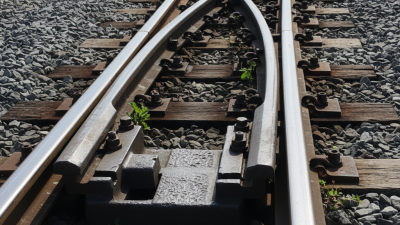
Choosing the best Standard Rails for global buyers in 2026 requires more than comparing prices per tonne. Rail profiles, steel grades, manufacturing controls, and delivery reliability all affect long-term track performance. A UIC60 rail may suit one heavy-haul corridor, while 136RE may better match another network’s established maintenance system. Compatibility matters.
Dr. Alan M. Zarembski, a respected railway track specialist, has said, “Track is a system, not a collection of isolated parts.” That principle remains practical. Buyers should examine rail chemistry, hardness, tensile strength, straightness, surface quality, and ultrasonic inspection records. They should also confirm whether production follows standards such as EN 13674-1, AREMA, or another accepted specification. Certificates alone are not enough. Factory audits, sample testing, and traceable heat numbers provide stronger evidence.
Global procurement adds further pressure. Port access, packaging, customs documentation, climate exposure, and delivery schedules can change the real cost. A lower quotation may hide higher inspection or replacement risks. Small details matter. Even storage supports and protective wrapping deserve attention.
There is no universal winner. That is the uncomfortable part. Some buyers may overvalue hardness and overlook weldability. Others may trust a familiar supplier without reviewing recent production data. The strongest decision combines engineering judgment, verified experience, and transparent commercial terms. This guide examines the leading Standard Rails options for 2026, while recognizing that regional standards, axle loads, traffic density, and maintenance practices can change the final recommendation.
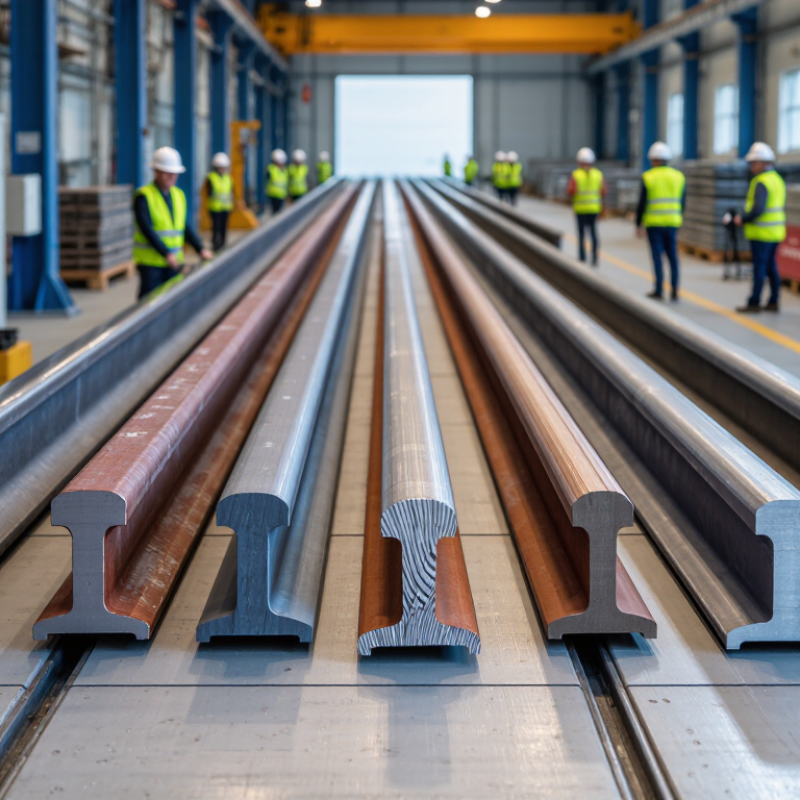
Standard rails are rolled steel rails made to recognized dimensions, grades, and tolerance requirements. They usually follow established technical standards for rail height, head width, foot shape, chemistry, strength, and surface quality. The term “standard” does not always mean identical. Regional specifications may differ in gauge, rail weight, steel grade, and testing methods.
Global buyers need clear standards because railway projects cross suppliers, contractors, and inspection systems. A compatible rail profile can reduce installation delays and simplify fastening selection. It also supports safer maintenance planning. Buyers should check axle loads, curve radius, climate, corrosion risks, and expected service life before choosing a rail section. Gauge and rail profile are different details. Confusing them can create costly design errors.
A reliable purchasing process should request mill certificates, chemical analysis, tensile results, hardness data, dimensional reports, and ultrasonic testing records. Each bundle should carry traceable markings. In practice, paperwork may look complete while inspection details remain vague. That deserves attention. Buyers should also confirm rail length, end condition, drilling requirements, packaging, delivery terms, and import documentation. Standard rails are not automatically suitable for every route. Local engineering review still matters, especially in areas with heavy freight, extreme temperatures, or frequent rainfall. A lower purchase price can become expensive after installation problems appear.
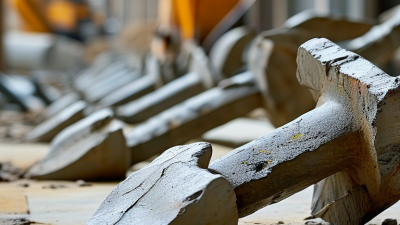
For global buyers, the best standard rail is not simply the heaviest option. Compare rail weight, profile dimensions, steel grade, hardness, and length tolerance. Common products may range from 30 to 60 kilograms per meter. A heavier section can support greater axle loads, but it also increases transport and installation costs. Check the head width, web thickness, and foot shape against your track design. Small differences can affect fastening, welding, and replacement work.
Tips: Request mill certificates, dimensional inspection reports, and impact-test results. Confirm whether measurements use metric units. Ask for corrosion protection, packing details, and loading photographs. A clear document trail reduces costly surprises.
From practical project reviews, I would also examine straightness and drilling accuracy. A rail that looks correct may still create alignment problems after installation. Compare allowable deviation, cutting methods, and joint compatibility. Confirm the steel’s chemistry and heat-treatment process, not only its advertised hardness. Delivery terms matter too. Long rails need stable handling equipment and careful scheduling at the receiving site. I once focused too much on price and overlooked unloading limits. That mistake made the cheaper shipment less economical. Buyers should also check sample approval procedures, because a sample cannot fully represent every production batch.
Reference comparison of widely traded standard rail profiles. Dimensions and mass are nominal values; final purchasing decisions should follow the applicable current standard, approved drawings, and project specifications.
| Rail Profile | Typical Governing Standard | Nominal Mass | Approx. Mass per Yard | Rail Height | Head Width | Foot Width | Web Thickness | Typical Application | Key Buying Considerations |
|---|---|---|---|---|---|---|---|---|---|
| 46E2 | EN 13674-1 | 46.27 kg/m | 93.0 lb/yd | 145 mm | 66 mm | 125 mm | 14.5 mm | Light and medium-duty main lines, regional railways, and industrial track. | Suitable where axle loads and traffic density are moderate; confirm fastening compatibility and minimum section requirements. |
| 49E1 | EN 13674-1 | 49.39 kg/m | 99.2 lb/yd | 149 mm | 67 mm | 125 mm | 14.0 mm | Regional passenger lines, mixed-traffic routes, and general-purpose railway construction. | Offers a moderate balance between structural capacity, material consumption, and installation weight. |
| 54E1 | EN 13674-1 | 54.77 kg/m | 110.0 lb/yd | 159 mm | 70 mm | 140 mm | 16.0 mm | Higher-demand mixed-traffic routes, heavy regional services, and upgraded existing lines. | Check sleeper spacing, fastening systems, rail-seat dimensions, and compatibility with existing transition rails. |
| 60E1 | EN 13674-1 | 60.21 kg/m | 121.0 lb/yd | 172 mm | 72 mm | 150 mm | 16.5 mm | Heavy-haul, high-speed, high-capacity passenger, and heavily trafficked mixed-use corridors. | A common heavy-rail reference profile; verify axle load, curve radius, grinding plan, and turnout compatibility. |
| R260 Grade | EN 13674-1 material grade | Typical hardness: 260–300 HBW | — | — | — | — | — | General main-line and mixed-traffic rail applications. | Specify chemistry, tensile properties, hardness range, ultrasonic testing, straightness, surface quality, and weldability requirements. |
| R350HT Grade | EN 13674-1 material grade | Typical hardness: 350–390 HBW | — | — | — | — | — | High-wear locations, heavy-haul corridors, steep gradients, and sharper curves. | Higher wear resistance may reduce rail replacement frequency; assess rolling-contact fatigue, weld procedures, and grinding capability. |
| Standard Rail Length | Project and mill specification | Commonly 12–25 m | — | — | — | — | — | Conventional jointed track, flash-butt welding programs, and long welded rail logistics. | Longer rails reduce the number of field joints but increase lifting, transport, storage, and handling requirements. |
| Inspection Package | Applicable rail standard and contract specification | Document-controlled | — | — | — | — | — | International procurement and safety-critical railway infrastructure. | Request mill certificates, heat and batch traceability, dimensional reports, ultrasonic test records, hardness results, and independent inspection where required. |
| Surface Protection | Project-specific | Normally uncoated rail steel | — | — | — | — | — | Standard open-air rail transport, storage, and track installation. | Define temporary corrosion protection, stacking method, drainage, storage duration, and removal requirements before installation. |
| Export Readiness | Buyer-country regulations and contract terms | Confirm before shipment | — | — | — | — | — | Cross-border railway projects and infrastructure tenders. | Confirm applicable national adoption of standards, permitted profile tolerances, language of certificates, packing rules, customs documents, and delivery terms. |
Note: Profile dimensions are nominal reference values. Rail grades, tolerances, testing frequency, permissible defects, and acceptance criteria must be confirmed against the current edition of the specified standard and the purchaser’s technical documents.
For global rail buyers, material selection should start with service conditions, not a catalogue grade. EN 13674-1 specifies rail grades such as R260 and R350HT, but hardness alone cannot predict field life. Buyers should review carbon, manganese, silicon, sulfur, phosphorus, hydrogen, and inclusion limits. World Steel Association data reports 1.89 billion tonnes of crude steel production in 2023. Scale is impressive, but rail steel needs tighter process control than ordinary structural steel. Ask for heat-level certificates, not generic mill statements. Small chemistry variations can affect wear, weldability, and rolling-contact fatigue.
Manufacturing quality is equally important. Reliable production normally includes vacuum degassing, clean continuous casting, controlled rolling, slow cooling, and stress-relief practices. Ultrasonic testing should detect internal defects, while dimensional checks should confirm profile, straightness, end squareness, and surface condition.
The UNIFE World Rail Market Study 2024 estimates the global rail supply market at about €201 billion annually increasing pressure on suppliers and inspection teams. Fast delivery can hide weak traceability.
I would still challenge one assumption: more hardness is not always better. A harder rail may resist wear, yet it can respond poorly to poor wheel conditions or unsuitable welding. Require independent testing, retained samples, and a documented nonconformance process. Standards create a baseline. They do not replace field experience.
Global rail buyers need more than a competitive quotation in 2026. They need evidence that each rail meets the selected international standard. Common references include EN 13674-1, AREMA specifications, UIC requirements, and applicable ASTM test methods. The correct choice depends on rail profile, steel grade, traffic load, fastening system, and installation conditions. Mixing standards without technical review can create avoidable problems.
Ask for a complete mill test certificate for every heat number. It should show chemical composition, tensile strength, elongation, hardness, and heat-treatment details. Traceability matters. The heat number should appear on production records, inspection reports, and shipping documents. Confirm dimensional tolerances, straightness, surface quality, end squareness, and ultrasonic testing results. A certificate alone is not proof of complete compliance. I would also request calibration records for testing equipment and an independent inspection report when the order is large.
Certification to ISO 9001 can support quality-system evaluation, but it does not replace product testing. Buyers should compare the certificate scope with the actual rail product and production site. Check whether the inspection body is competent and whether reports contain signatures, dates, sampling rules, and test locations. Review packaging carefully: rails need separators, secure loading, corrosion protection, and clear bundle identification. Small document gaps can delay customs clearance or site acceptance. Some specifications remain open to interpretation, so written clarification before production is safer than correcting nonconforming rails later.
The chart compares widely referenced rail profiles by nominal mass per metre. Higher rail mass generally indicates a heavier section, but the best choice also depends on axle load, traffic density, gauge, curve radius, fastening design, and infrastructure requirements.
Compliance checks: confirm the applicable national or project standard, rail profile designation, steel grade, chemical composition, mechanical properties, dimensional tolerances, straightness, surface quality, ultrasonic testing, heat treatment, marking, traceability, and inspection documentation.
Reference framework: EN 13674-1 rail profiles, AREMA rail sections, and commonly specified North American RE profiles. Nominal masses are profile reference values; buyers should verify the latest standard edition and project specification before procurement.
For global buyers, standard rails should be evaluated by specification, not appearance. Confirm grade, rail profile, length tolerance, straightness, hardness, and ultrasonic testing records. EN 13674-1 and AREMA requirements may differ, so the project standard must control the purchase. The World Steel Association’s October 2024 outlook expected global steel demand to grow 1.2% in 2025. That modest increase does not guarantee stable rail prices.
Request a transparent quotation with steel-index references, rolling costs, inspection fees, packing, and inland transport shown separately. OECD’s 2024 Steel Outlook warned of persistent global overcapacity, which can create attractive offers but also encourages weak quality control. A price below comparable bids deserves investigation. Ask for mill certificates, heat numbers, third-party inspection, and sample test reports before approving production. Cheap is not always efficient.
Logistics can change the decision quickly. UNCTAD’s Review of Maritime Transport 2024 reported maritime trade growth of 2.4% in 2023 and highlighted continuing freight-route disruption risks. Compare breakbulk and container options, then calculate port storage, demurrage, insurance, and final-mile delivery. My checklist is useful, but not perfect. Local unloading limits and seasonal congestion are easy to underestimate. Buyers should also verify production capacity through a live factory audit, not only polished documents. That extra day may prevent months of delay.